Waterproofing Basements in Older Homes
People seeking to waterproof basements in older homes aim to prevent leaks and moisture issues, and local contractors can provide expert solutions to protect and preserve their space.
Homeowners exploring options for waterproofing basements in older homes are in the right place. Many property owners in the area face unique challenges when it comes to maintaining the integrity of their basements, especially as aging structures may develop issues like leaks, moisture buildup, or foundation concerns. Understanding the practical reasons behind this need-such as protecting belongings, preventing mold growth, and preserving the home’s value-can help guide informed decisions. Local service providers specializing in basement waterproofing offer solutions tailored to these older properties, helping to safeguard homes against water intrusion and related problems.
Continuing to explore this topic can reveal valuable insights into the types of waterproofing methods available and how they address specific issues common in older homes. Whether it’s addressing existing leaks or installing preventative barriers, local contractors have the experience to handle these projects efficiently. Learning about the options can empower property owners to take proactive steps toward maintaining a dry and stable basement environment, with the support of trusted professionals who understand the unique needs of older homes.
- Basement waterproofing - homeowners noticing persistent dampness or water intrusion in older homes often turn to local contractors for effective waterproofing solutions.
- Foundation sealing - when cracks or leaks develop in an aging foundation, service providers can assess and apply sealing methods to prevent further water damage.
- Interior drainage systems - older homes with basement flooding issues benefit from local pros installing drainage systems that redirect water away from the foundation.
- Exterior waterproofing - in cases where surface water is seeping through walls, local contractors may recommend exterior waterproofing to create a moisture barrier.
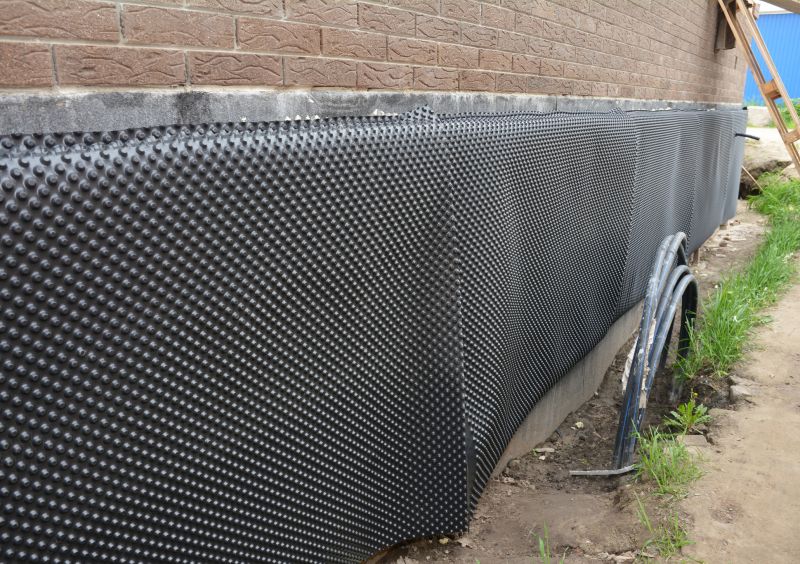
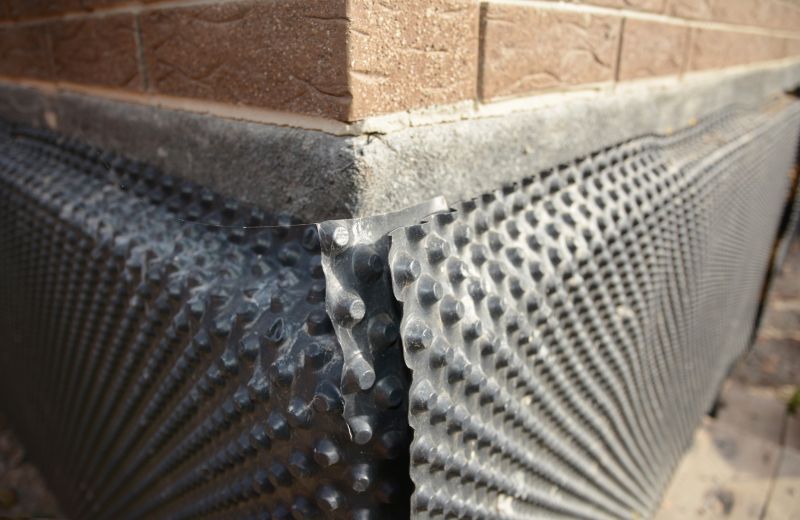
- Waterproofing membrane installation - homes with ongoing moisture problems often require the installation of waterproof membranes, handled by experienced service providers to protect basement walls.
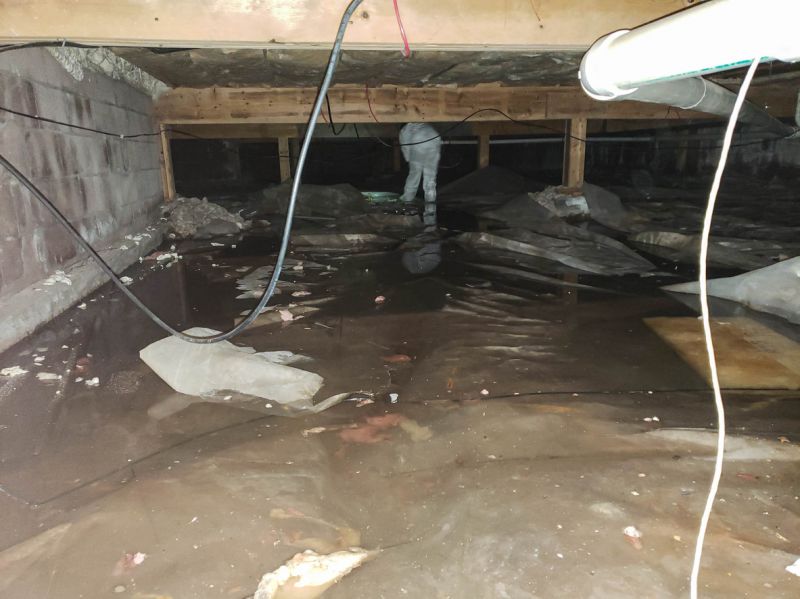
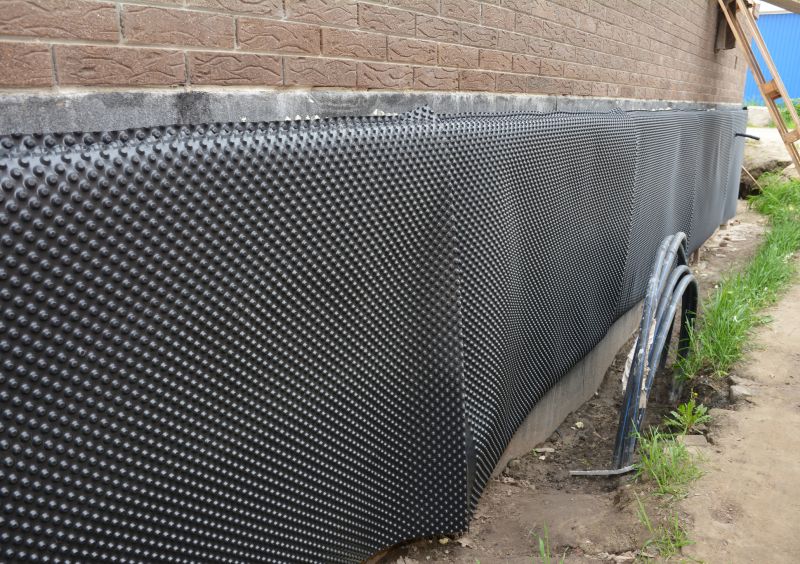
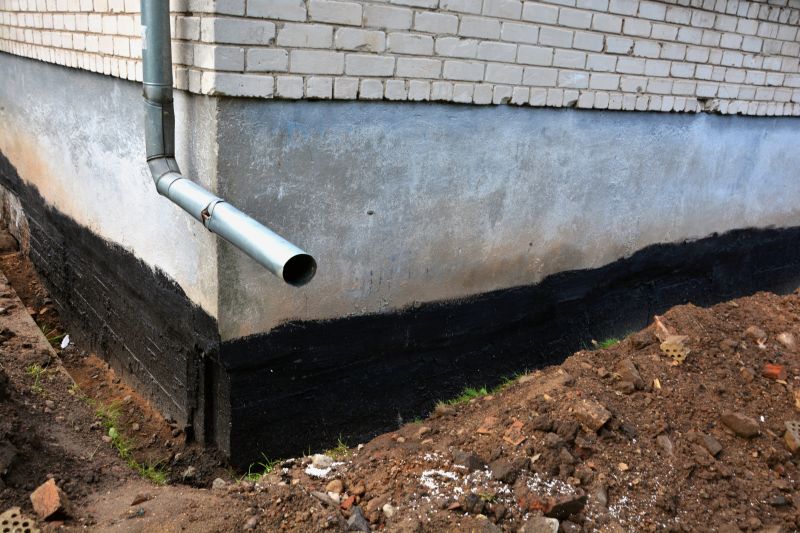
When people search for waterproofing basements in older homes, they are often looking for solutions to persistent moisture problems that have developed over time. Older properties tend to have outdated or deteriorated foundation walls, which can lead to water seepage, dampness, and even mold growth. Homeowners may be experiencing issues such as wet floors, peeling paint, or a musty smell in their basement, prompting them to explore waterproofing options. This search typically indicates a desire to protect the home’s structure, improve indoor air quality, and create a healthier, more usable space below ground level.
The need for waterproofing basements in older homes often relates to existing or potential problems caused by aging foundations, poor drainage, or inadequate original construction. Many older properties were built before modern waterproofing techniques became standard, leaving them vulnerable to water intrusion. Homeowners might be planning to finish their basement for additional living space or storage, making waterproofing a key step to prevent future damage. It could also be part of a broader effort to address ongoing leaks or to prepare the home for resale by ensuring the basement remains dry and stable.
Properties that typically come up in searches for waterproofing basements in older homes are often single-family houses built several decades ago. These homes may have stone, brick, or early concrete foundations that have deteriorated over time. Many are located in areas prone to heavy rainfall, high water tables, or poor drainage, which can exacerbate moisture issues. Such homes often have basements that were not originally designed with modern waterproofing systems, leading owners to seek professional services to retrofit or upgrade their existing foundation systems.
Local basement waterproofing service providers can play a crucial role in addressing the unique challenges faced by older homes. These contractors understand the common issues associated with aging foundations and can recommend effective solutions tailored to each property. Whether it’s installing interior or exterior waterproofing barriers, improving drainage around the foundation, or sealing cracks and gaps, experienced local pros provide practical options to keep basements dry. Connecting with these professionals can help homeowners find the right approach for their specific property, ensuring that waterproofing efforts are durable and suited to the home’s needs.
Foundation Repair - foundation repair projects often involve assessing and addressing structural issues that can lead to water intrusion, making them closely related to waterproofing basements in older homes.
Drainage System Installation - installing effective exterior and interior drainage systems helps prevent water from seeping into basements, a key aspect of waterproofing older homes.
Cement and Concrete Repair - repairing cracks and deteriorated concrete surfaces is essential for maintaining basement integrity and preventing water infiltration in older properties.
Interior Wall Sealing - sealing interior basement walls with specialized coatings or membranes directly supports waterproofing efforts in older homes.
Sump Pump Installation - sump pumps are often part of comprehensive waterproofing solutions, helping to manage water that enters basements in older homes.
Mold and Mildew Remediation - addressing moisture issues through mold remediation complements waterproofing services by improving indoor air quality and preventing damage.
When evaluating service providers for waterproofing basements in older homes, it’s important to consider their experience with similar projects. Older homes often have unique foundation conditions, outdated materials, and specific challenges that require specialized knowledge. Homeowners should inquire about the contractor’s background in handling basement waterproofing in structures with comparable age, construction styles, and previous issues. A contractor with relevant experience is more likely to understand the nuances involved and recommend effective solutions tailored to the home's specific needs.
Clear, written expectations are essential when comparing local contractors for basement waterproofing services. Homeowners should seek detailed descriptions of the proposed work, including the methods, materials, and scope of the project. This helps prevent misunderstandings and ensures everyone is aligned on what will be done. Reputable service providers should be willing to provide comprehensive written estimates or proposals that outline the process, costs, and any warranties or guarantees associated with their work. Having this documentation allows for more straightforward comparisons between different contractors.
Effective communication and reputable references are key indicators of a reliable service provider. Homeowners are encouraged to ask for references from past clients, especially those who had similar waterproofing projects in older homes. Speaking with previous customers can provide insights into the contractor’s professionalism, reliability, and the quality of their work. Additionally, good communication-such as prompt responses to questions and clarity in explaining the process-helps ensure a smooth project experience. Choosing local service providers who prioritize transparent communication and have positive references can make the process of waterproofing an older home’s basement more manageable and less stressful.
Property owners often search for waterproofing basements in older homes when they are planning practical projects around their homes and businesses. Local pros provide Basement Waterproofing services for everyday jobs and straightforward project options.
Homeowners with older properties often encounter challenges related to moisture and water seepage in their basements. These issues can be especially common in areas where the foundation may not have been designed with modern waterproofing techniques, leading to concerns about dampness, mold, or structural damage over time. Many property owners look up basement waterproofing services to find practical solutions that help protect their homes and maintain a healthy living environment. Local contractors who specialize in waterproofing can assess existing conditions and recommend tailored approaches to keep basements dry and secure.
For those considering basement waterproofing in older homes, understanding the options available is an important step. Local service providers offer a range of solutions, from interior sealants to exterior drainage systems, that can address specific moisture issues. Property owners often seek out these services to prevent future problems and preserve the integrity of their homes. Connecting with experienced contractors can help ensure that the waterproofing work is handled properly, providing peace of mind and a more comfortable living space.
What methods do contractors use for waterproofing basements in older homes? Local contractors often use a combination of interior and exterior waterproofing techniques, including sealants, drainage systems, and membrane applications, tailored to the specific needs of older homes.
Are there special considerations when waterproofing basements in older homes? Yes, older homes may have existing foundation issues or outdated materials that require careful assessment and customized solutions by experienced service providers.
How do professionals determine the best waterproofing approach for an older basement? They typically evaluate the foundation’s condition, soil conditions, and moisture sources to recommend the most effective waterproofing methods suited to the home's age and structure.
Can waterproofing improve the overall condition of an older basement? Yes, proper waterproofing can help prevent water intrusion, reduce mold growth, and preserve the structural integrity of an older basement environment.
What types of waterproofing services are available for older homes’ basements? Service providers offer a range of options, including interior sealants, exterior excavation and membrane installation, drainage system upgrades, and foundation repairs as needed.
Assessing basement leaks - Property owners can identify common sources of water intrusion in older homes and discuss these findings with local contractors to plan effective waterproofing strategies.
Installing interior drainage systems - Homeowners can explore options for interior drainage solutions that local service providers offer to manage moisture buildup in basements.
Sealing foundation cracks - Recognizing and sealing cracks in basement walls can prevent water from seeping in, with local contractors providing expert repair services.
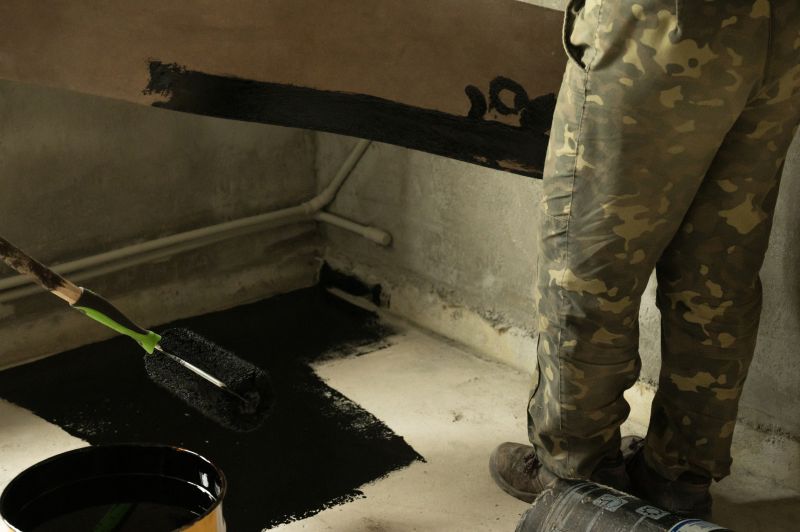
Applying waterproof coatings - Applying specialized waterproofing coatings to basement walls and floors can be a practical step, with local pros helping to ensure proper application for lasting protection.
If you are thinking about waterproofing basements in older homes for a property, this guide is meant to help you understand this topic, the typical project types, and how different options might fit your plans.
When you are ready, you can use the quote form on this page to share a few details about your project. From there, local pros can review the basics and follow up with options that match what you have in mind.